What is the rule of 3 for flooring? A clear explanation for
Homeowners
When you walk into someone's home and feel something off, then it
may be coming from the new floors. Nothing may be technically
broken, and expensive materials are used. Yet the space feels messy.
This problem is caused by one mistake: too many different styles of
flooring competing with each other. That's why engineers brought a
smart solution, and that's called the rule of three flooring.
This blog will help you to understand the concept of
the rule of 3 flooring: what it is, why you need
it, how it works, and some mistakes to avoid. A professional service
provider can help you to create homes that feel natural, solid, and
higher in value.
The rule of 3 floors is a design rule that recommends using no more
than three different flooring types or materials throughout a home
or project. It is not that easy because it significantly affects
both property value and looks. The restoration experts use this
popular interior design concept to make a house feel bigger,
cleaner, and more valuable.
This technique maintains the functionality of each room while
establishing balance and visual order. You can ask why not 2, 4, or
5 floors because the idea comes from the interior design psychology:
People naturally perceive odd-numbered groupings, especially 3, as
balanced and visually pleasing. Rather than putting new flooring in
each room, you can choose:
A primary flooring
A secondary flooring
An accent or comfort area of flooring
Why is the rule of 3 floors important?
The rule of 3 floorings is important because,
whether you realize it or not, flooring visually unifies every room
in a house. A home that has too many different flooring options
feels divided rather than connected. Here are some reasons given
below to understand its importance:
If you use it, then the transition looks intentional, and the home
feels custom-built.
If it's ignored, then resale value may drop because the home looks
cheaper than it actually is.
If it's ignored, then the hallway feels separate from the main
room, and the kitchen looks like an add-on.
If you follow this, then rooms do not feel smaller; rather, space
feels larger.
How does the rule of 3 flooring work?
Homeowners normally choose flooring separately for each room. The
problem here is it turns the house into a mix of unrelated
materials. The rule of 3 floors works by planning flooring for the
whole house. It organizes each flooring type based on usage,
moisture, and comfort. It is not a random process. It follows a
specific proportion. Here is a normal usage of the “rule of 3
flooring.”
Primary flooring: It covers 60-70% of the house. It
includes living rooms, dining areas, hallways, and open spaces.
Normally, hardwood, laminate, LVP, or tile is chosen for these
spaces.
Secondary flooring: It covers 20-30% of the house. It is
installed in wet areas like kitchens, laundry rooms, or mudrooms.
Special materials are used here, such as waterproof and heatproof
flooring materials.
Accent flooring: It covers only 10% or less of the house.
It is for special areas or comfort places such as bedrooms,
entryways, fireplace surrounds, and bathroom floors. Carpet or
decorative tiles are commonly used here.
Common mistakes homeowners must avoid in the Rule of 3 flooring
Even people who know about the rule of 3 floors make mistakes in
some places. If you know what to avoid, then it can help you to keep
the flooring cohesive, practical, and visually perfect. Here are
some suggestions given below to avoid:
Overuse of Surface Styles or Colors: It can still look
messy to mix very different flooring types or finishes, even if
you only use three. The materials must not only be few in number
but also visually match.
Neglecting floor transitions: The intersection of two
floors is crucial. Leveling and appropriate transition strips are
required because poorly managed edges or height gaps disrupt the
visual flow.
Organizing Room by Room: Each room's flooring choice
creates a sense of disconnection in the house. Only when flooring
is planned for the entire house does the Rule of Three apply.
Planning new home flooring?
Let our experts create a smooth, unified design for you.
Choose Prime Home Restoration LLC for using the rule of 3 flooring in your project
A successful flooring plan works when the whole property is handled
by a single service provider, not by multiple contractors. At
Prime Home Restoration LLC, we provide a full restoration service.
Our professional team can cover your
painting, roofing,
siding, gutter services, cleaning, plumbing,
HVAC services, locksmithing, lawn care, and
general home maintenance and repair
projects. Because of this, the rule of 3 flooring can easily be
embedded into the home's entire structure, not just its floors. Here
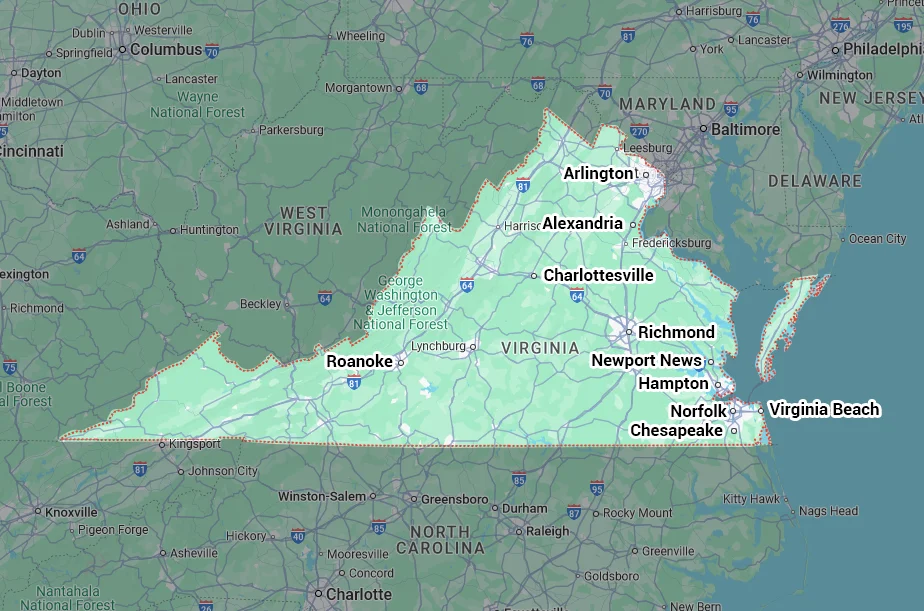
are some reasons given below why homeowners in VA choose us:
We know Virginia’s climate, homes, and construction standards
inside out.
We use top-quality materials to ensure durable, lasting
results.
Our skilled team brings extensive experience and pays attention
to every detail.
Our pricing is transparent and affordable, with no hidden
charges.
We complete projects on schedule while treating your home with
care and respect.
The Rule of Three is a design principle that establishes
visual unity and flow throughout a house by restricting it to
three different flooring types or materials.
Why should I follow the Rule of 3 flooring?
It keeps the house from looking "patchwork," unifies the
spaces, enhances the aesthetics of the house, and may even
raise the value of the property.
How can I decide which floors belong to which?
The majority of living spaces are covered by the primary
floor, wet or functional areas like kitchens and bathrooms are
covered by the secondary floor, and smaller areas like
bedrooms or foyers are covered by the accent floor.
Can I combine different textures and colors on the three floors?
Yes, but they should complement each other. Too many shades or
conflicting textures can break the visual flow.
Does the Rule of Three apply only to new construction or
remodeling projects?
No, both of them can use it. This rule is useful for floor
planning in any home remodeling, restoration, or renovation
project.
Fast and reliable water damage restoration in Manassas, offering extraction, drying, and repair to restore your property quickly and safely. Call: 888-788-8125
Looking for a flooring service in Virginia Beach, VA? We offer free consultations, quality materials, and same-week installation. Call now: 888-788-8125